Inside Claude: How It Finds, Evaluates, and Cites Sources
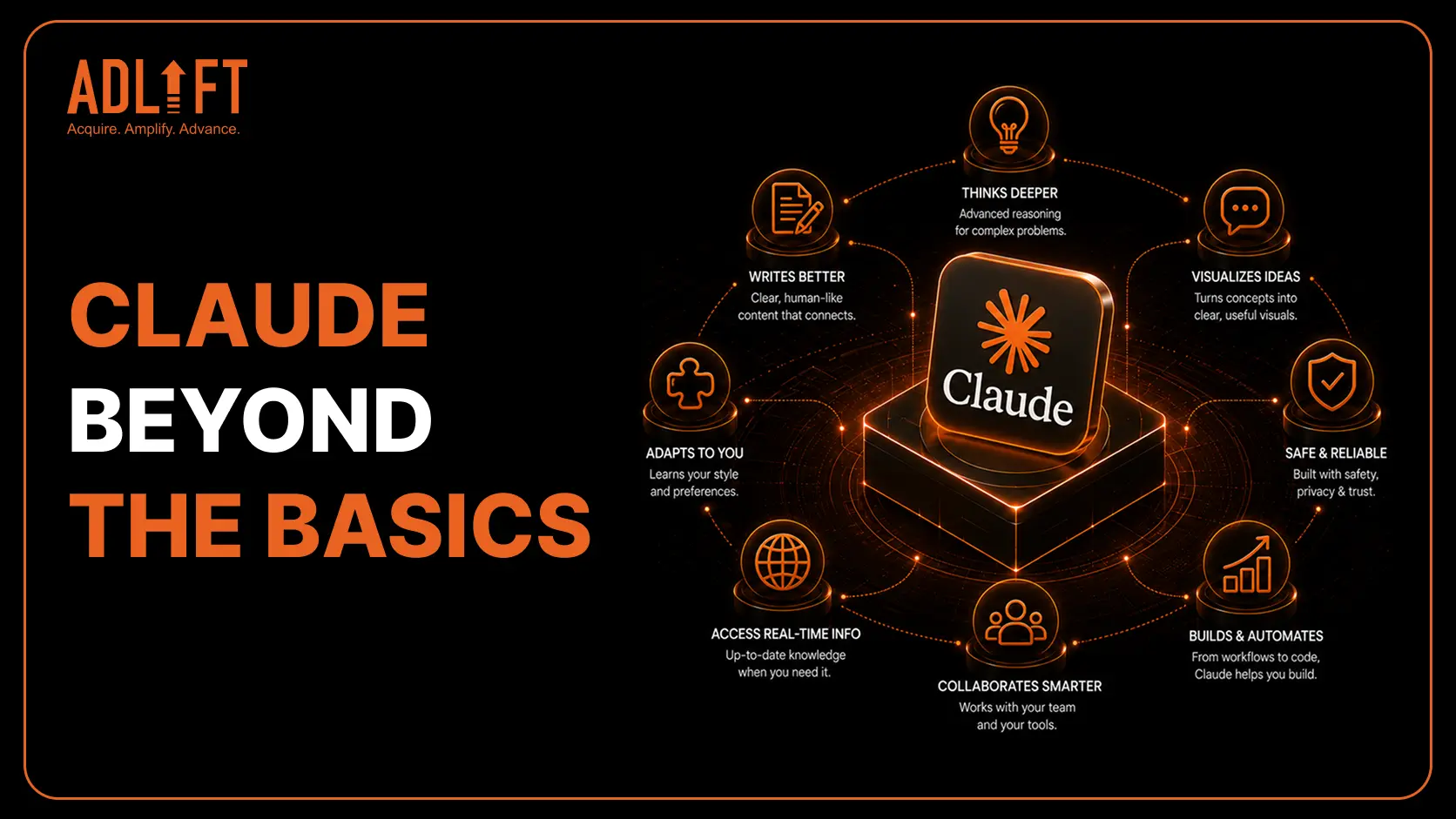
Artificial intelligence is changing how people discover information online, instead of scrolling through multiple search results. Many users now rely on AI assistants to summarize topics, compare products, answer technical questions, and support research. This shift is changing how websites earn visibility, as AI systems increasingly determine which sources users see first.
Among these assistants, Claude has experienced rapid adoption. According to Sensor Tower via Reuters, Claude reached approximately 56 million global monthly active app users in Q2 2026, representing around 640% year-over-year growth. This significantly outpaced ChatGPT’s growth during the same period. For businesses, publishers, marketers, and SEO professionals, understanding how Claude selects and references information is becoming increasingly valuable.
Let’s explore how Claude retrieves information, evaluates sources, and determines which content supports its responses.
Why Claude’s Citation System Matters
Claude’s growing adoption makes its citations relevant to businesses and publishers that want to increase their visibility in AI-driven search.
AI Search is Becoming a Primary Discovery Channel
Many users now begin their research with AI assistants instead of traditional search engines. When Claude references a website, that source can gain visibility among users who rely on AI-generated answers for research, product comparisons, and decision-making.
Claude as an Enterprise Standard
Claude’s use continues to expand across professional and enterprise workflows. According to the Anthropic Economic Index, 49% of jobs have seen at least one-quarter of their tasks performed using Claude. Anthropic also holds around 40% of the enterprise large language model API market and approximately 54% of the enterprise coding market. This makes Claude relevant to developers, analysts, and knowledge workers.
Citations Can Influence Business Visibility
Being referenced in an AI-generated response can place a brand or publisher in front of users during research and evaluation. For organizations, this creates another opportunity to demonstrate expertise and reach audiences beyond conventional search results.
How Claude Finds Information
Claude does not rely on the same process for every query. It can answer many questions using information learned during training, while queries that require current information may involve web search.
Starting With Pre-trained Knowledge
Claude can answer questions about established topics using knowledge acquired during training. This allows it to explain concepts, summarize historical events, and answer educational questions without accessing the internet.
Retrieving Current Information Through Web Search
Recent news, product releases, financial developments, policy changes, and live events can require up-to-date information. Anthropic introduced web search for Claude in March 2025, allowing it to retrieve current information when needed. The system provides inline citations that help users verify the information used in its response.
The resulting Claude sources can give users a clearer view of where information originated while providing publishers with an additional route to visibility.
How Claude Evaluates Sources
Anthropic has not publicly disclosed every detail of its source-ranking process. However, available research and observed citation patterns indicate that several factors can influence which sources Claude selects.
Authority and Credibility Matter
Claude generally favors sources with established credibility, including government agencies, universities, research institutions, official company documentation, and recognized publishers. These sources often have editorial standards, expert oversight, and established processes for maintaining accurate information.
Research analyzing more than 10,000 Claude health citations found that 97.8% came from established institutional sources, with a median Domain Authority of 92. Domain Authority does not determine whether a page will be cited, but the findings indicate a strong preference for established organizations in that dataset.
Relevance and Accuracy Matter
Authority alone does not guarantee selection. Claude also considers how closely a page addresses the user’s question and whether its information is consistent with other references. For example, an official product documentation page may be more useful than a general technology article when answering a question about a specific software feature.
A typical retrieval process can therefore involve understanding the user’s intent, determining whether web search is needed, finding relevant sources, assessing their quality, comparing information, and generating a response supported by citations.
Why Claude May Prefer Established Sources
Source selection is also influenced by how stable the information is. Claude frequently cites evergreen resources that remain accurate over time instead of relying heavily on newly published content. This can reduce the risk of using information that quickly becomes outdated or requires correction.
Research comparing AI citation behavior found that only 36% of Claude’s journalism citations came from the previous 12 months, compared with 56% for ChatGPT. This suggests that Claude may give greater weight to established reporting and long-standing resources when appropriate.
Freshness still matters for breaking news, product launches, policy updates, and other time-sensitive subjects. In these cases, current information can become more important than the age of a source.
How to Improve Your Chances of Being Cited
Businesses looking to improve their visibility in AI search should focus on content quality, expertise, and useful information. If you’re exploring how to earn Claude citations, the following practices can help make your content more useful and credible.
Publish Original Research
Create surveys, industry reports, case studies, or proprietary datasets that offer information other websites do not provide. Original findings can give AI systems a specific source to reference when discussing a topic.
Strengthen EEAT Signals
Highlight author expertise, provide transparent sourcing, and maintain clear editorial standards. Demonstrating who created the content and why they are qualified to discuss the subject can strengthen its credibility.
Build Topical Authority
Develop comprehensive content around your core subjects rather than publishing isolated articles. Cover related questions and topics in depth to demonstrate subject knowledge and create a useful information resource.
Keep Content Updated
Review existing pages regularly. Replace outdated statistics, refresh examples, and update information when industry developments change the subject.
Support Claims With Reliable References
Use government publications, academic research, official documentation, and other authoritative references when making factual claims. Clear sourcing can help establish the reliability of the information presented.
Strengthen Technical SEO
A well-organized website with clear headings, logical internal linking, and fast-loading pages makes content easier for search engines and AI systems to understand. AdLift’s Tesseract, an AI-powered SEO platform, can also help businesses analyze content performance, identify optimization opportunities, and strengthen visibility across traditional and AI-driven search.
Preparing Your Content for AI-driven Search
AI assistants are becoming an additional way for users to discover information, making source visibility an increasingly relevant consideration for publishers and businesses. Strong content should therefore focus on providing accurate, well-supported information rather than attempting to optimize for a single system.
Original research, expert input, reliable references, comprehensive coverage, and regular updates can help establish a website as a useful information resource. AdLift helps businesses adapt their SEO strategies to changing search behavior, including the growing role of AI-driven discovery. Traditional SEO remains important, but content creators also need to consider how AI systems identify and use trustworthy information.
The goal should be to create content that answers questions clearly, supports important claims with evidence, and gives users enough depth to understand the subject.
Source: https://www.5wpr.com/research/citation-source-audit-q1-2026/