SEO Metrics That Matter for Smarter, Data‑Driven SEO Decisions
Search has entered a new phase. Rankings alone no longer define visibility, traffic alone no longer guarantees growth, and traditional SEO dashboards may not fully explain performance shifts.
Today, more than 58% of Google searches provide answers directly from AI‑generated summaries, such as featured snippets and zero-click answers. This offers brands new ways to be discovered and engage users even before they click a link.

In 2026, SEO success is increasingly shaped by AI-driven search experiences. Being visible now means more than appearing on page one; it means being recognized, cited, and trusted by AI systems that shape how users receive information.
This shift has given rise to a critical concept: AI visibility. AI visibility measures whether your brand, content, and expertise appear in AI-generated responses, not just in classic search results. To make smarter decisions, teams must rethink measurement using modern SEO metrics that matter, guided by 2026 SEO benchmarks rather than outdated reporting models.
Let’s look at the metrics that truly define performance in this new AI-first search era.
Why Traditional SEO Metrics are No Longer Enough?
Modern SEO measurement must evolve from tracking traffic alone to understanding visibility, trust, and influence in an AI-driven search era. SEO has evolved significantly. While traditional SEO metrics such as rankings, impressions, and sessions were once enough to measure success, the rise of AI-driven search experiences has changed the landscape.
Today, more than 60% of searches provide answers directly on the results page through AI-powered summaries, featured snippets, and zero-click experiences. This reduces the need for users to click links.
This shift opens new opportunities for brands to engage users even before they click a link. Visibility and trust are now more important than keyword placement, as search journeys span across assistants, conversational interfaces, and result-page answers.
Modern SEO measurement must go beyond traffic and rankings to focus on visibility, authority, and influence in an AI-driven environment. A page can influence decisions without clicks, and trust in AI systems can keep content relevant. This shifting landscape allows brands to thrive in new ways by adapting to AI’s growing role in search.
How to Think About SEO Metrics in 2026?
SEO measurement in 2026 needs a framework that reflects how both search engines and AI systems surface, interpret, and prioritize information. Rankings and traffic still matter, but they no longer capture the full picture of visibility and influence.
The most effective approach is a three-layer measurement model, aligned with modern 2026 SEO benchmarks. This connects discovery, credibility, and business impact across AI-driven search experiences.
Built specifically for AI search visibility, Tesseract helps teams operationalize this shift by revealing how brands appear across generative and assistant-led results.
Visibility Metrics: Are You Being Seen?
Visibility now includes traditional rankings and AI exposure. It determines whether your brand appears when users or AI systems surface relevant topics.
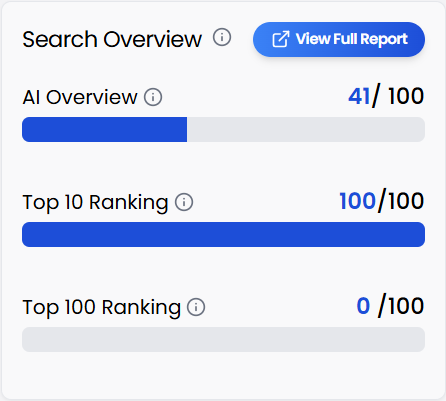
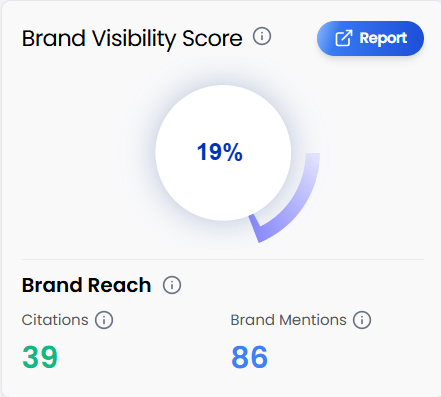
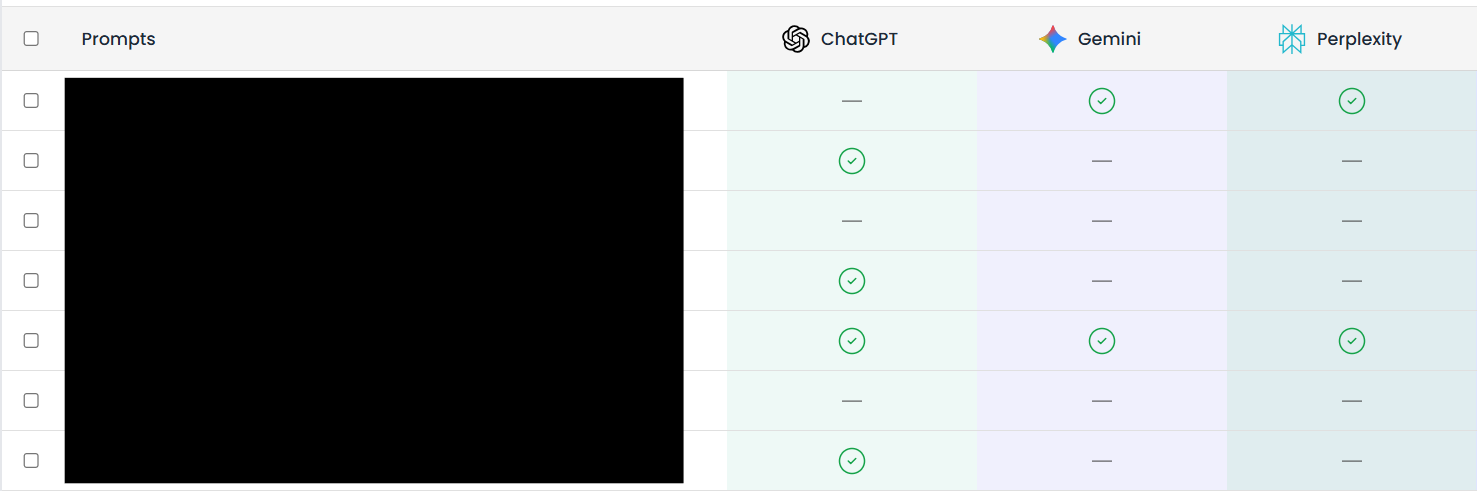
Key visibility signals include AI mentions, citation frequency, inclusion versus omission in AI answers, and share of voice within generative results. These indicators define modern discovery and sit at the core of SEO metrics that matter today.
Trust and Authority Metrics: Are You Being Trusted?
Visibility alone is not enough. AI systems favor content they trust. Over 92% of marketers plan to use or are already using SEO optimization for both traditional and AI‑powered search. This indicates that measuring how content performs within AI ecosystems is now mainstream.
Outcome Metrics: Is SEO Driving Business Results?
The final layer connects visibility and trust to measurable business impact. These metrics determine whether SEO supports revenue, pipeline growth, and long-term brand value.
Together, these three layers reflect the evolution of search from ranking-based exposure to AI-mediated influence.
Also Read: 6 Reasons Why SEO Has High Significance for Your Business
Next Generation SEO Signals: Measuring Trust and Authority
As search becomes increasingly AI-mediated, trust has moved from a supporting signal to a defining one. AI-driven systems do not simply rank content. They evaluate which sources are safe, credible, and reliable enough to reference in generated answers. This makes trust and authority central to modern SEO metrics.
AI visibility is directly influenced by trust. Even highly optimized pages can be excluded from AI answers if they fail credibility checks. In contrast, trusted sources may appear repeatedly in AI-generated responses even when they are not ranking highly in traditional search results. This shift is reshaping SEO industry benchmarks for quality and performance.
EEAT as a Foundational Signal
Experience, Expertise, Authoritativeness, and Trustworthiness (EEAT) now functions as a foundational eligibility signal. AI systems use EEAT to decide whether to cite, summarize, or ignore content.
Pages that demonstrate real-world experience, clear subject matter expertise, transparent sourcing, and accountable authorship are far more likely to gain AI visibility. These factors influence whether content is consistently referenced across AI-generated answers, especially for high-impact topics.
EEAT is no longer a theoretical framework. It directly affects how content performs against evolving SEO performance benchmarks, particularly in competitive and sensitive categories.
Brand Mentions
AI systems place significant weight on brand mentions. Mentions in authoritative publications, expert commentary, and industry discussions act as validation signals that reinforce trust.
AI models interpret consistent brand references as indicators of real-world authority. Tracking unlinked citations and contextual mentions provides deeper insight than relying only on SEO backlink benchmarks.
Strong brand mention signals increase the likelihood of inclusion in AI-generated responses, making them a critical contributor to sustained AI visibility.
Content Trust Performance
76% of sources cited in AI Overview results come from pages ranking in the top 10 organic SERPs, indicating that AI citations are still tied to content that demonstrates strong authority and relevance, not just keyword optimization.
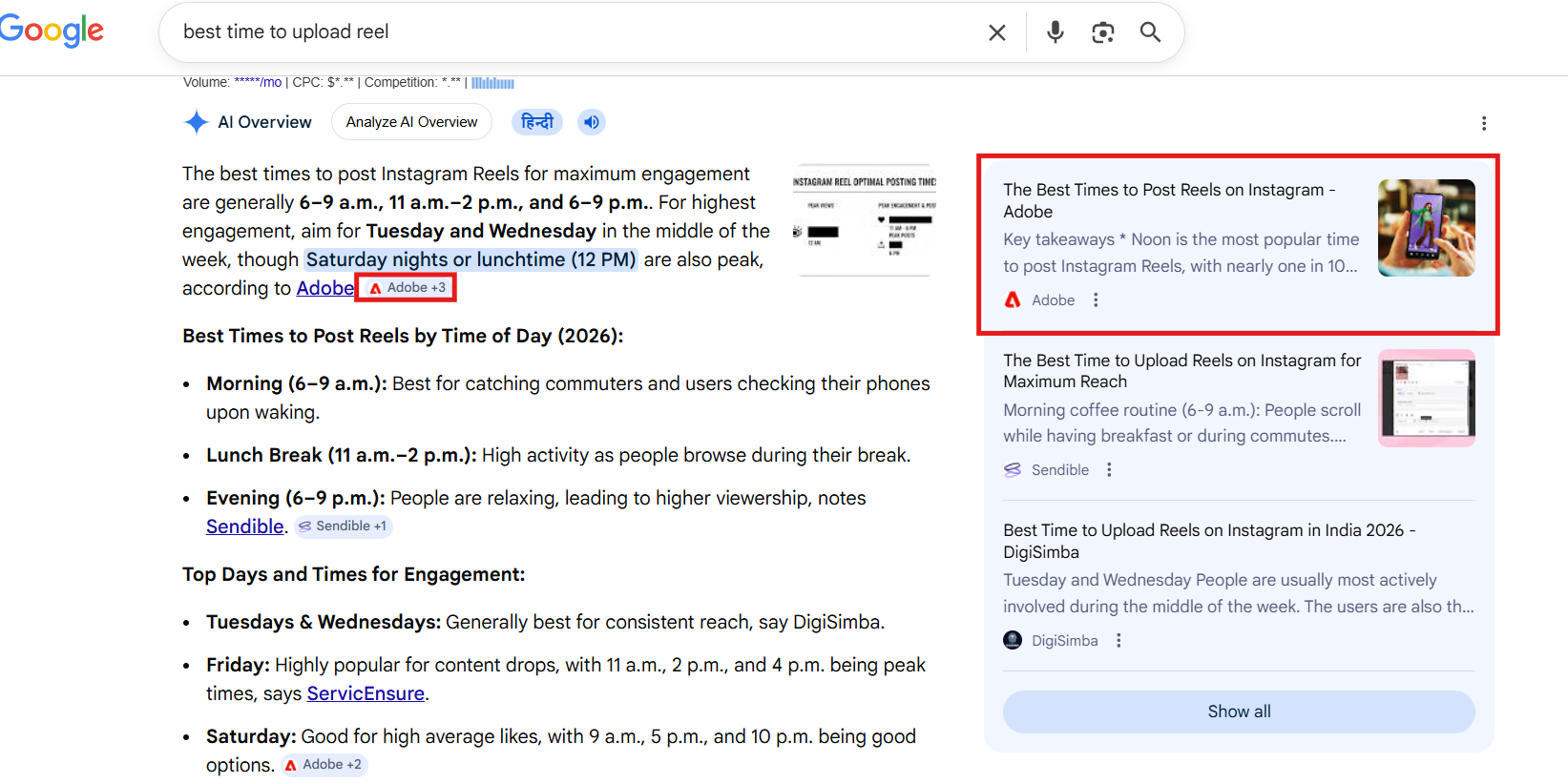
Not all content contributes equally to trust. AI systems are especially selective when it comes to Your Money or Your Life (YMYL) topics, where accuracy and reliability are essential. Metrics should prioritize how these pages perform in terms of credibility rather than traffic alone.
Key trust performance indicators include pages cited in AI-generated answers, content selected for summaries over competitors, and assets referenced repeatedly across related queries. These signals indicate whether content is deemed reliable enough to influence user decisions.
Share of Voice in Authority Signals
Monitoring how your brand compares to competitors in citations, mentions, and backlinks helps identify leadership gaps and opportunities to strengthen credibility.
Together, EEAT strength, brand mention authority, and content trust performance define the next generation of SEO signals. They determine whether content earns AI visibility, maintains relevance, and supports long term search performance in line with modern SEO metrics that matter.
Outcome Metrics That Connect SEO to Business
SEO delivers real value when it drives measurable business results. Outcome metrics show how organic search impacts growth and ROI.
Key metrics to track:
- Conversions and Leads: Are organic visitors taking meaningful actions?
- Revenue Attribution: How much sales or revenue comes from SEO?
- Customer Acquisition: Are new customers coming through organic search?
- Pipeline Contribution: How does SEO influence long-term business growth?
Metrics That Look Good but Mislead
Common misleading metrics include:
- Keyword Rankings Without Context: High positions mean little if they don’t drive qualified traffic.
- Pageviews and Impressions Alone: More visitors don’t always equal engagement or conversions.
- Traffic Spikes Without Impact: Short-term growth often comes from low-intent searches.
- Backlink Volume Without Quality: A large number of links can add little value if they aren’t authoritative or relevant.
Building an SEO Metrics Dashboard for Decision Makers
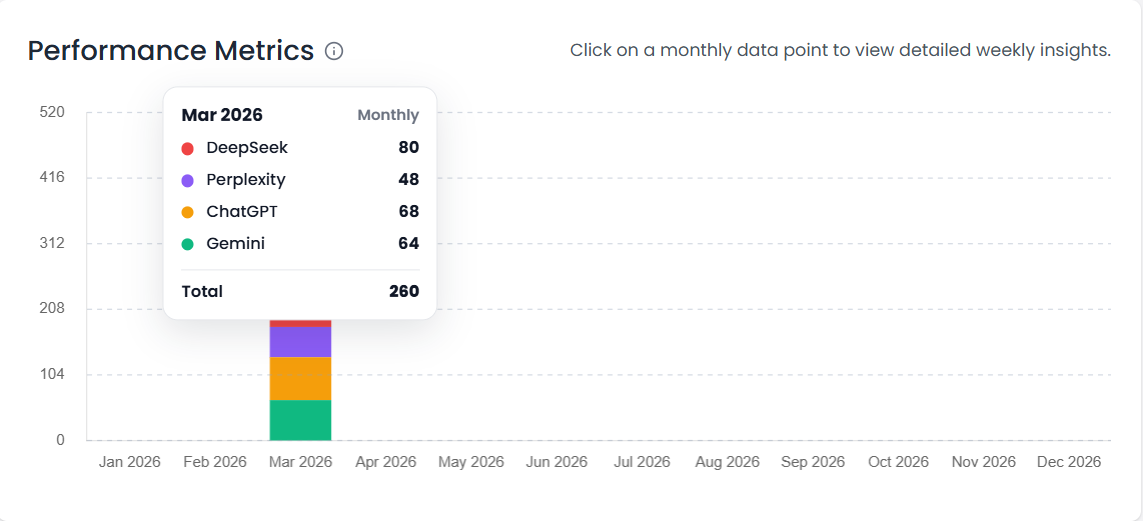
An effective SEO dashboard in 2026 must do more than report numbers. It should help decision makers understand how AI visibility, authority, and business performance connect, and show where investment is generating real impact. The goal is to focus on SEO metrics that matter and align performance with both internal goals and 2026 SEO benchmarks.
Your dashboard should combine multiple layers of measurement:
AI Visibility Trends
Track how often your content appears in AI-generated answers, citations, and summaries. AI visibility is becoming as important as classic ranking and traffic metrics.
Stakeholder-focused Reporting
Dashboards should translate SEO performance into metrics that matter to leadership and marketing teams. By connecting visibility, traffic, and conversions, decision-makers can quickly understand impact and prioritize actions.
Automated monthly dashboards reduce manual reporting effort by 40–50%, freeing teams to focus on optimization and strategy rather than data gathering.
Balancing Leading and Lagging SEO Indicators
A strong dashboard tracks both leading and lagging indicators:
Leading indicators signal future performance, including visibility growth, brand mentions, engagement, and AI citations/mentions across platforms like ChatGPT, Gemini, and Bing AI.
Lagging indicators measure outcomes that confirm business impact, such as conversions, revenue, and pipeline contribution.
By combining these measures, your dashboard reflects activity, influence, and growth.
4 Ways to Present Metrics
Decision makers need context, not just numbers. Present trends clearly and show how shifts in AI visibility or authority relate to outcomes:
- Use trend lines to show performance over time
- Highlight benchmarks for visibility, trust, and conversion relative to expected norms
- Explain cause and effect so stakeholders see why changes matter
- Focus on insights, not raw data, so the dashboard supports strategic decisions aligned with SEO performance benchmarks
Well-presented metrics help stakeholders understand where opportunities exist and where actions are needed, especially as search evolves toward AI-driven experiences.
Take Action with Smarter SEO Metrics
SEO has moved beyond optimizing pages for rankings. In 2026, success depends on influencing AI-driven discovery, measuring visibility inside generative results, and earning trust as a credible source.
Teams that lead will focus on AI visibility, prioritize authority signals like EEAT and brand mentions, and connect SEO directly to business outcomes. Aligning your SEO efforts with recognized benchmarks for performance, content quality, and industry standards ensures your strategy is both measurable and strategically impactful.
Smarter metrics do more than report the past; they highlight opportunities, guide actions, and drive long-term growth. With Tesseract, organizations can track AI visibility, monitor trust signals, and integrate these insights into dashboards that enable confident, data-driven SEO decisions.