Vanity URL Meaning: Building Trust with Memorable Links
A billboard has only a few seconds to make an impression, and a link that is easy to remember can be the difference between a passing glance and a future visit. Before opening a webpage, people often judge a URL by how clear, familiar, and trustworthy it looks. Long strings of numbers, symbols, and nested page paths can feel cluttered or even questionable. That becomes especially important in places where users cannot click right away, such as billboards, print advertisements, event signage, podcasts, and video promotions.
Some brands consistently create links that feel more memorable and professional than others, but what makes them effective is not always obvious. This blog explores what a vanity URL is, why these links matter in modern marketing, and how businesses can create, manage, and measure them more effectively.
What Is a Vanity URL and Why Do Brands Use Them?
A vanity URL is a customized web address that replaces a longer, more complex URL with a shorter and easier-to-remember version. For example, a standard URL such as example.com/products/summer-sale-2026 can be simplified to example.com/sale while still directing users to the same destination page.
How Vanity URLs Support Branding and Campaign Management
A vanity URL’s meaning extends far beyond creating shorter links. These links serve as branding assets that keep a company’s identity visible wherever links are shared, helping improve recognition, strengthen credibility, and build trust before users even click.
Unlike generic URL shorteners, they reinforce brand consistency across campaigns and marketing channels.
When creating vanity URLs, marketers often choose between a custom path such as brand.com/sale and a subdomain structure like go.brand.com/sale. A custom path creates a seamless brand experience, while a subdomain can offer greater flexibility for campaign tracking, reporting, and marketing automation. The right approach depends on campaign goals, technical requirements, and long-term marketing strategy.
Where Vanity URLs Deliver the Most Value
Because vanity URLs combine branding, memorability, and usability, they are particularly effective in marketing channels where audiences need to recognize, recall, or manually enter a link. Their impact becomes even more noticeable in campaigns with high visibility and broad audience reach. Some of the most common environments where businesses use vanity URLs include:
Social Media Campaigns
A short branded URL is easier to recognize while scrolling and helps reinforce brand visibility across shared content.
Email Marketing
A vanity URL can increase trust by clearly connecting the link to a recognizable brand.
Print Advertisements
A memorable vanity URL makes it easier for audiences to recall and manually enter the link later.
Event Promotions
Short branded URLs help attendees access event-related information without relying on lengthy web addresses.
QR Code Campaigns
Displaying a vanity URL alongside a QR code can reinforce credibility and reassure users before scanning.
Podcast and Video Promotions
A concise URL is easier for listeners and viewers to remember when they cannot click immediately.
Outdoor Advertising and Billboards
A short vanity URL improves recall in environments where audiences only have a few seconds to see the message.
How to Create Vanity URLs That People Actually Remember
Creating a vanity URL involves more than shortening a web address. The most effective vanity URLs are easy to understand, aligned with user expectations, and consistent with a brand’s marketing strategy. A well-planned URL can improve recall, strengthen trust, and make campaigns easier to promote across multiple channels. The following practices can help businesses create vanity URLs that remain memorable and effective long after a campaign launches.
Align Your URL With User Expectations
The most effective vanity URLs immediately communicate what users will find after clicking. A URL such as brand.com/demo, brand.com/pricing, or brand.com/register clearly signals the destination and purpose of the page.
In contrast, vague URLs like brand.com/x24 or brand.com/abc provide little context and are harder to remember. When a URL reflects user intent, audiences can understand its purpose instantly, making it easier to recall and more likely to generate engagement.
Balance Simplicity With Clarity
Short URLs are generally easier to remember, share, and type manually. However, shortening a URL should not come at the expense of meaning.
For example, brand.com/report is far more effective than brand.com/download-the-annual-industry-report-2026 because it removes unnecessary words while still communicating the destination. The goal is to create a link that is concise without becoming unclear or generic.
Make Brand Recognition Part of the URL
A vanity URL should reinforce the brand as much as the campaign itself. Using a branded domain helps users immediately recognize who owns the link and creates a stronger sense of trust before they click.
Consistency across campaigns also strengthens familiarity over time, allowing branded URLs to contribute to long-term brand recall rather than serving as one-off marketing assets.
Create a Structure That Supports Future Campaigns
Successful marketers rarely create vanity URLs in isolation. Establishing clear naming conventions from the beginning helps maintain consistency as campaigns grow and evolve.
URLs such as brand.com/webinar, brand.com/event, brand.com/guide, and brand.com/trial create an organized framework that is easy to manage and scale. A structured approach also reduces the likelihood of naming conflicts and makes campaign reporting more efficient.
Preventing Link Rot and Maintaining Effective Vanity URLs
Vanity URLs can continue delivering value long after a campaign launches, but only if they remain functional and relevant. Over time, businesses often accumulate numerous campaign URLs, and without proper maintenance, some become outdated or broken. This issue, commonly known as link rot, occurs when a URL no longer directs users to its intended destination because a page has been deleted, renamed, moved, reorganized, or replaced during a website migration.
Ensure Redirects Continue Leading Users to the Right Destination
Most vanity URLs rely on 301 redirects to send users from a simplified URL to the intended landing page. For example, brand.com/demo may redirect visitors to brand.com/request-demo. These redirects can be managed through content management systems, website platforms, hosting environments, or marketing tools.
Regardless of the method used, every redirect should be tested before launch to ensure users reach the correct destination without errors.
Measure Performance Beyond Basic Click Data
Clicks provide useful information, but they rarely reveal the complete picture. Businesses should also evaluate conversions, campaign engagement, traffic sources, lead generation, and revenue attribution to understand the true impact of a vanity URL. Vanity URLs are often paired with UTM parameters, allowing users to see a clean branded URL while tracking tags such as utm_source, utm_medium, and utm_campaign collect attribution data in the background.
This combination supports a better user experience while providing marketers with valuable campaign insights across digital and offline channels.
Establish a Long-term URL Maintenance Process
A structured maintenance process helps reduce the risk of link rot and ensures vanity URLs remain effective over time. Regular redirect audits can identify broken links before they affect users, while periodic reviews help confirm that campaign URLs still point to relevant destinations. Businesses should also update redirects after website migrations, remove unnecessary redirect chains, and maintain a centralized inventory of active URLs.
These practices help preserve the value of vanity URLs long after individual campaigns have ended.
Avoid Common Mistakes That Reduce URL Effectiveness
Even well-designed vanity URLs can lose value if they are not managed properly. Common mistakes include creating URLs that are still too long, using confusing abbreviations, redirecting visitors to unrelated pages, building redirect chains, launching links without proper tracking, and allowing older campaign URLs to decay over time.
Avoiding these issues helps protect user trust and maximizes the long-term effectiveness of vanity URL campaigns.
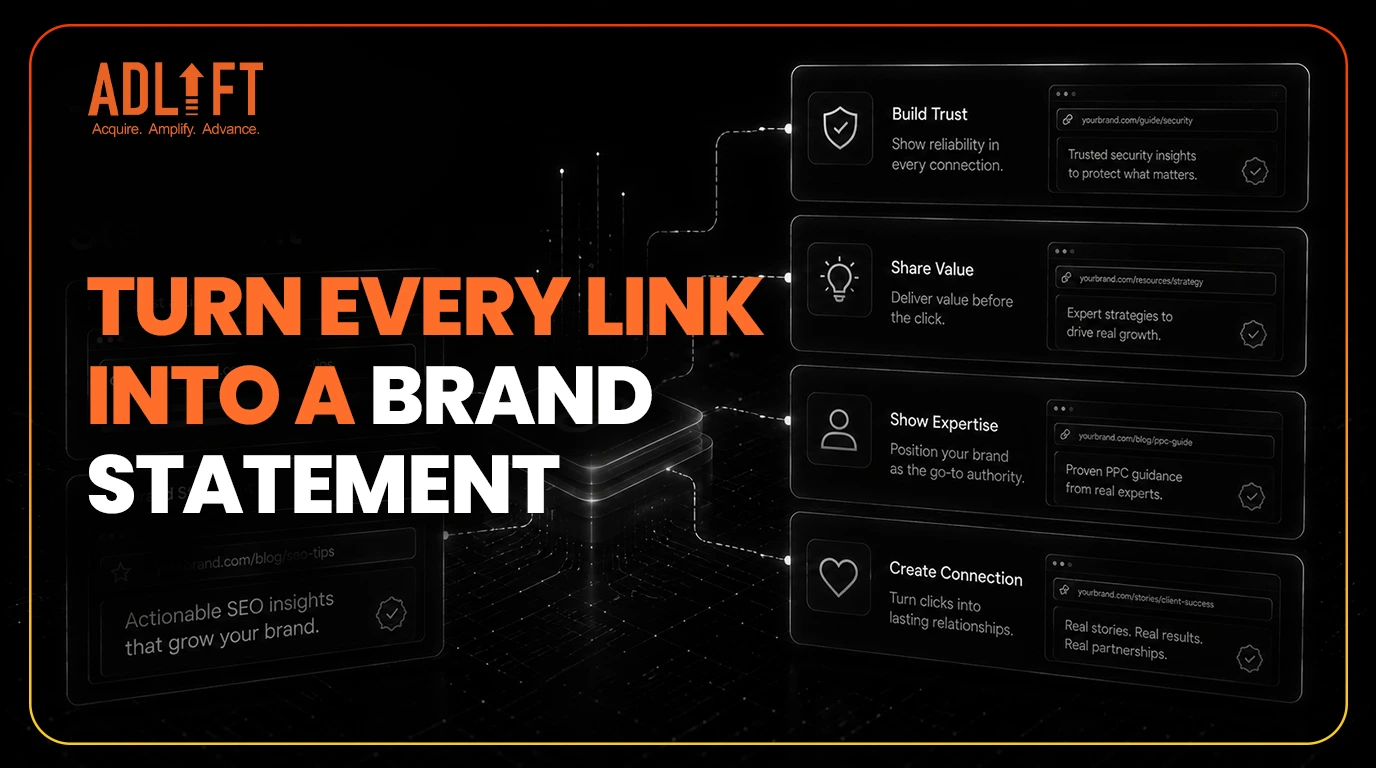
Turn Every Link Into a Stronger Brand Touchpoint
In a crowded digital landscape, even small details can influence how people perceive a brand. A well-crafted vanity URL is more than a shortcut to a webpage; it is an opportunity to create a clearer, more memorable connection with an audience. As marketing continues to span multiple platforms and customer touchpoints, the ability to present links that feel recognizable, trustworthy, and easy to recall can become a meaningful advantage.
Whether encountered on social media, in an email, on a billboard, or through a podcast, a memorable URL can reinforce brand presence long after the initial interaction. Businesses that approach vanity URLs with intention are better positioned to create consistent brand experiences and make every interaction, no matter how brief, count.